
BEST WINGFOIL PROFESSIONAL COURSES in Corralejo, in the North of Fuerteventura. Learn to wingfoil easily and safely in Canary Islands with CBCM Pro Coach
Wingfoil Courses
Thanks to a team of professionals, we offer a curriculum adapted to your level, with radio assistance into the deep accompanied by a safety boat (Open Water Coaching) and / or in shallow waters (Lagoon Wingfoing session) . We have areas reserved for Wingfoil (WINGFOIL Zone) and finally the last generation equipment. You also have the possibility to take private lessons (Private Coach).
- Certified instructor
- Support Radio ( Coaching radio )
- Private 1 Rider/ 1 Coach
- Semi-Private Coach 2 Riders/ 1 Coach
- Group Coach 4 Riders/ 2 Coaches
- Wetsuit Supplied
- Courses in shallow water
- Courses into the deep accompanied by a safety boat ( Open Water Coaching )
- Foil training : Tow Foil training if we have no wind
- Free Transfer: We pick you up at your hotel for Free
- Photos : Free souvenir photos are included in our training.
- Free Drinks : soft drink are available on some courses
- Services can change depending on weather conditions and student level

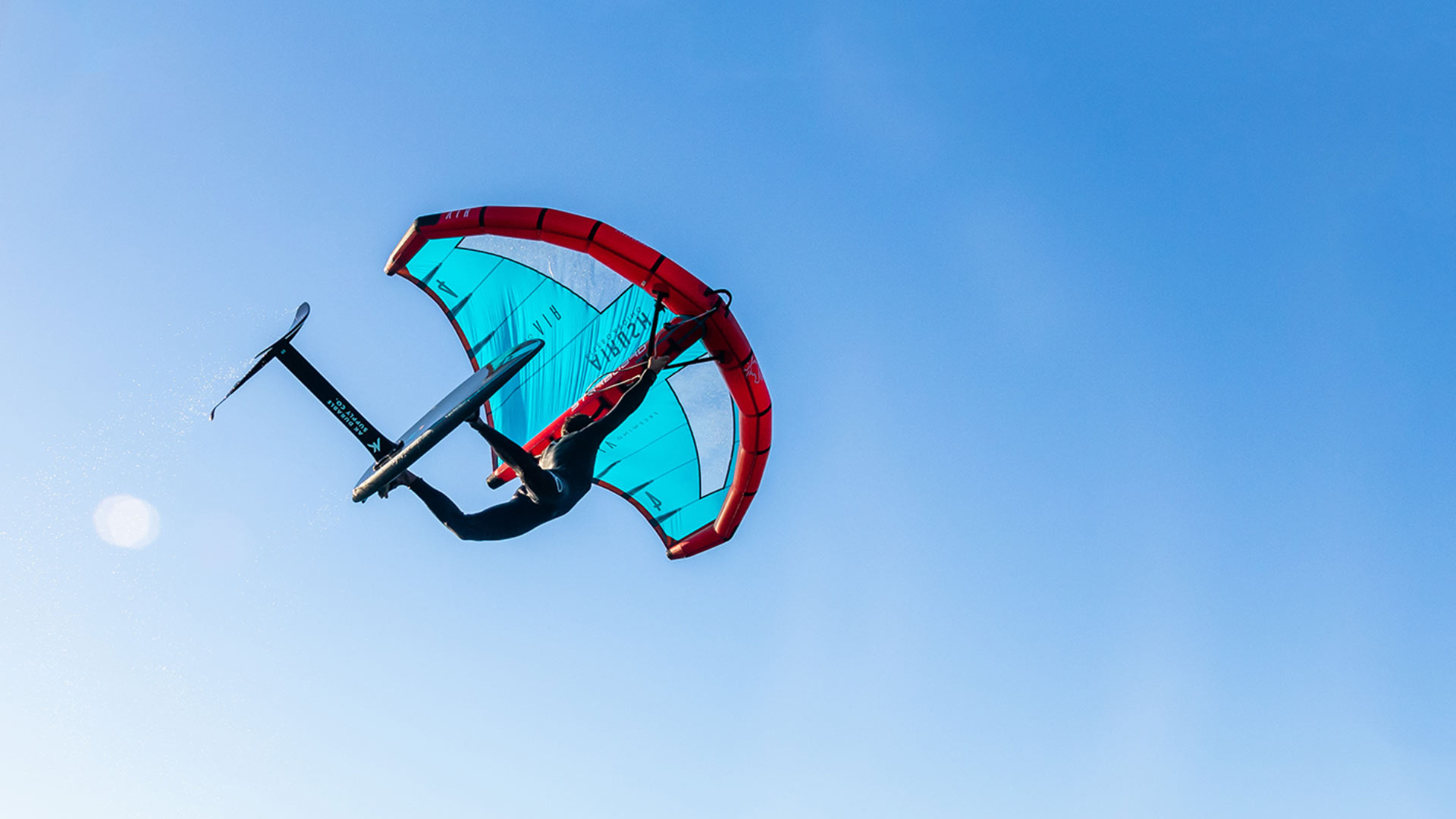


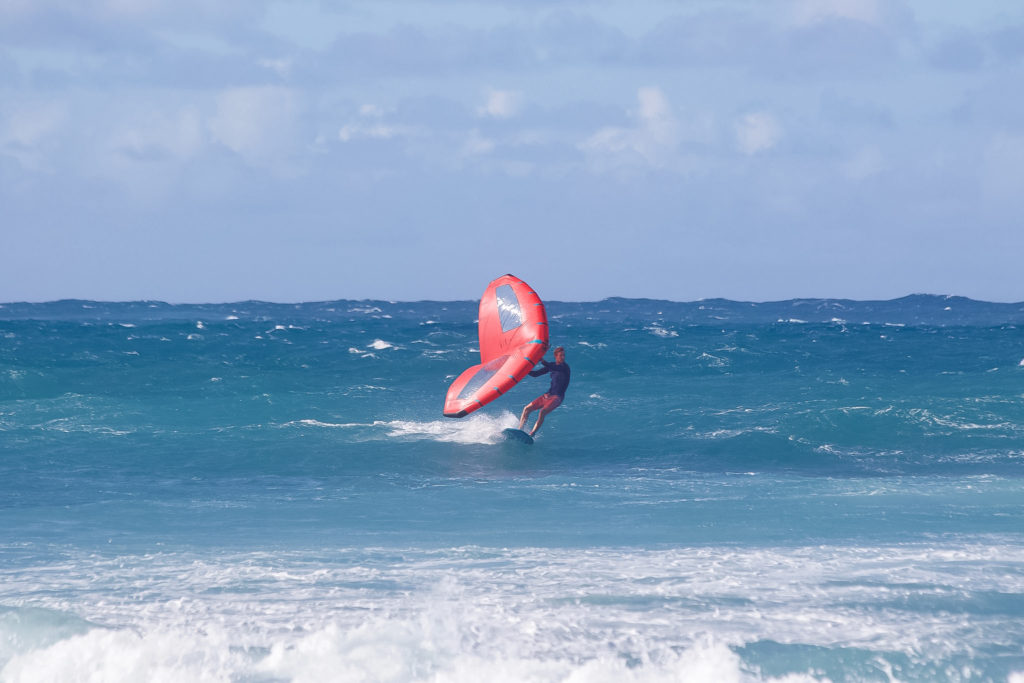

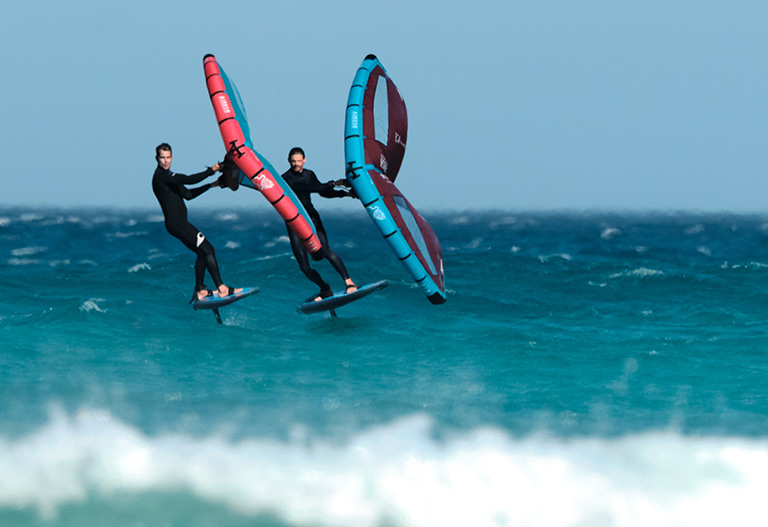
“Learn Wingfoiling Zero to Hero” with CBCM BOARDER CLUB school. STARBOARD / FREEWING Starboard is the world’s leading brand of wind board sports (Windsurf, Kitesurf, Wingfoil, Stand up paddle).
EVERYONE CAN LEARN TO WINGFOIL in Fuerteventura! JOIN US in Corralejo!

WHAT IS WINGFOILING?
Wingfoil is the new and incredible way to glide on water, an absolutely new sensation of locomotion.
WingFoiling is the logical consequence of surfing, windsurfing, kitesurfing, or foiling kitesurfing. The advantage of WingFoil is its ability to move freely on a body of water. It uses the energy of wind and swell. The wing provides maneuverability and facilitates the takeoff of the foil by the use of a constant force (the wind). The unique driving sensation provided by the foil in wing has convinced many nautical sportsmen. In addition, the use in light winds makes wingfoiling a “Freeride” alternative in light winds, from 10-12 knots.

WINGFOIL PRIVATE LESSONS
Lesson: instructor + material provided You don’t share your equipment, you practice all the time
The “Zero to Hero” Wing Foil course is perfect for learning Wing Foil. You can do this with a professional in Corralejo, Fuerteventura, Canary Islands. In 1 or 2 days, you will learn everything you need to know about Wing Foiling. You will do this step by step, in theory and in practice.
Discovery Session 100 €
1 x 1 H Ground Control ( Beach) Water Time (Water )

Water Discovery courses 190 €
2 x 1 H : Ground Control 1 H( Beach) + Water Time 1 H (Water )
Initiation course 270 €
3 x 1 H Ground Control 1 H ( Beach) + Water Time 1 H ( Water) + Water Time 1 H (Water )
Autonomy Program 320 €
4 x 1 H Ground Control 1H ( Beach )+ Water Time 1H ( Water ) + Foil Water Time 1H ( Water )+ Foil Water Start 1H ( Water )
Autonomy Program 480 €
5 x 1 H Ground Control 1H ( Beach )+ Water Time 1H ( Water ) + Foil Water Time 1H ( Water )+ Foil Water Start 1H ( Water ) + Foil Water 1H ( Water)
Wake foil / Tow Foil 190 € / 1H 4 x 15 mn
GROUP LESSONS
Discovery Session 150 €
1 x 3 H Ground Control ( Beach) Water Time (Water )
Water Discovery courses 260 €
2 x 3 H : Ground Control ( Beach) + Water Time (Water )
Initiation course 370 €
3 x 3 H Ground Control ( Beach) + Water Time ( Water) + Water Time (Water )
Autonomy Program 490 €
4 x 3 H Ground Control ( Beach )+ Water Time ( Water ) + Foil Water Time ( Water )+ Foil Water Start ( Water )
Autonomy Program 560 €
5 x 3 H Ground Control ( Beach )+ Water Time ( Water ) + Foil Water Time ( Water )+ Foil Water Start ( Water ) + Foil Water ( Water)
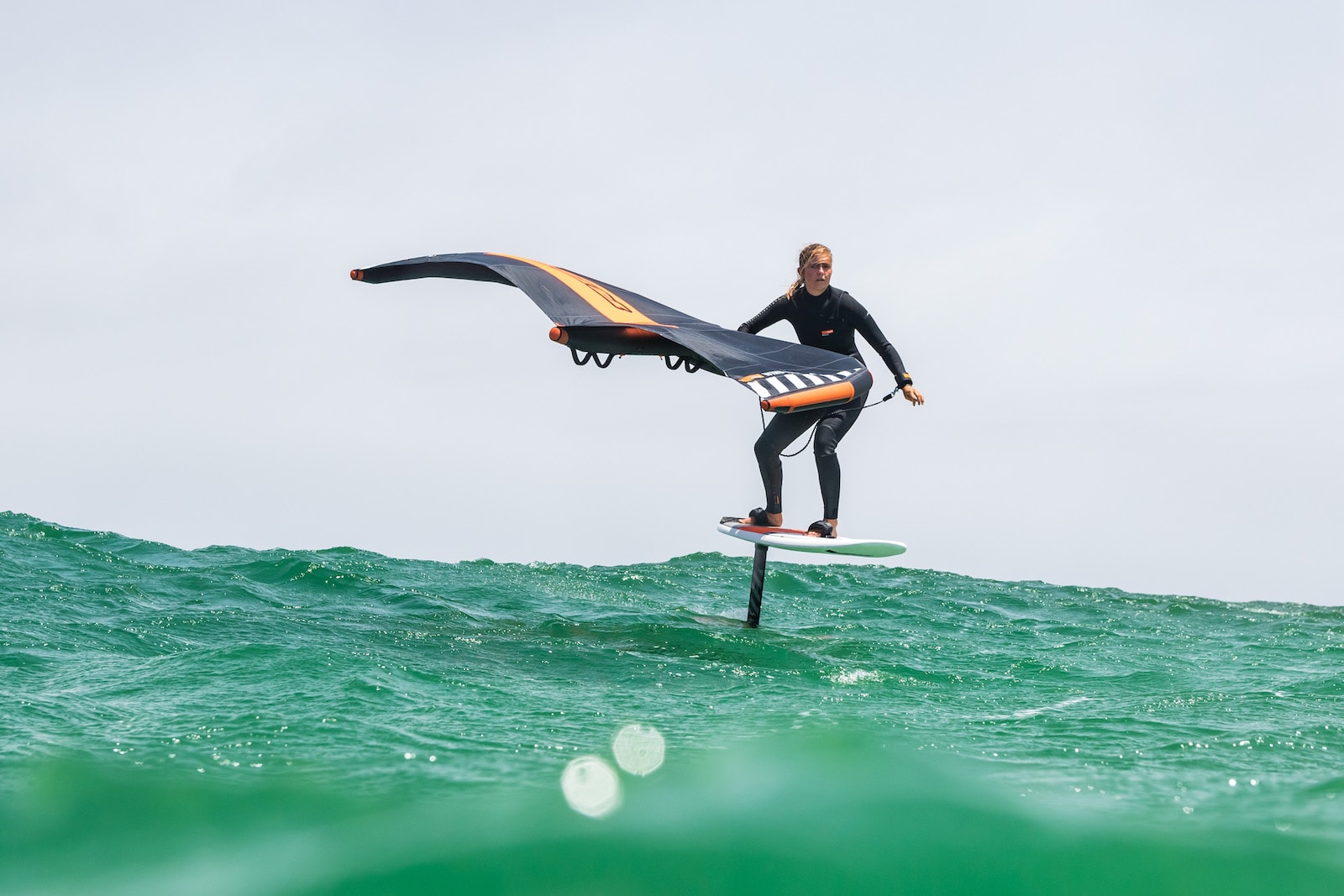


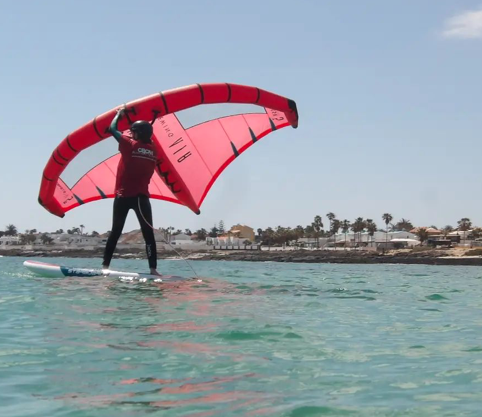
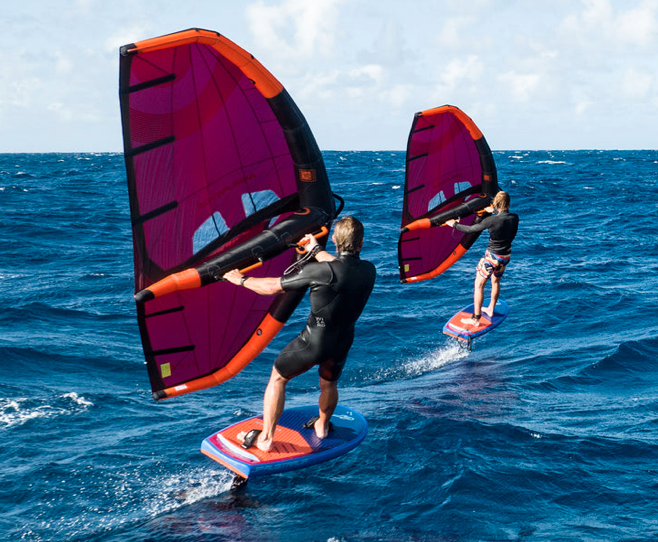
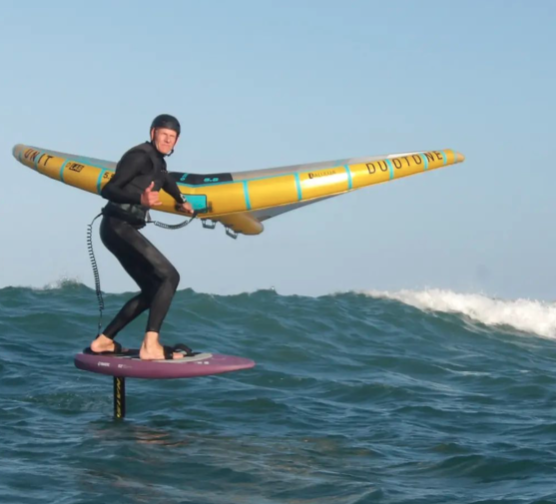


WING FOIL COURSE

Theory: The kite and the right place. The wind and the gear. The propulsion and the steering. The interaction with the board. The navigation and the priorities.
Installation of equipment. Handling of equipment.
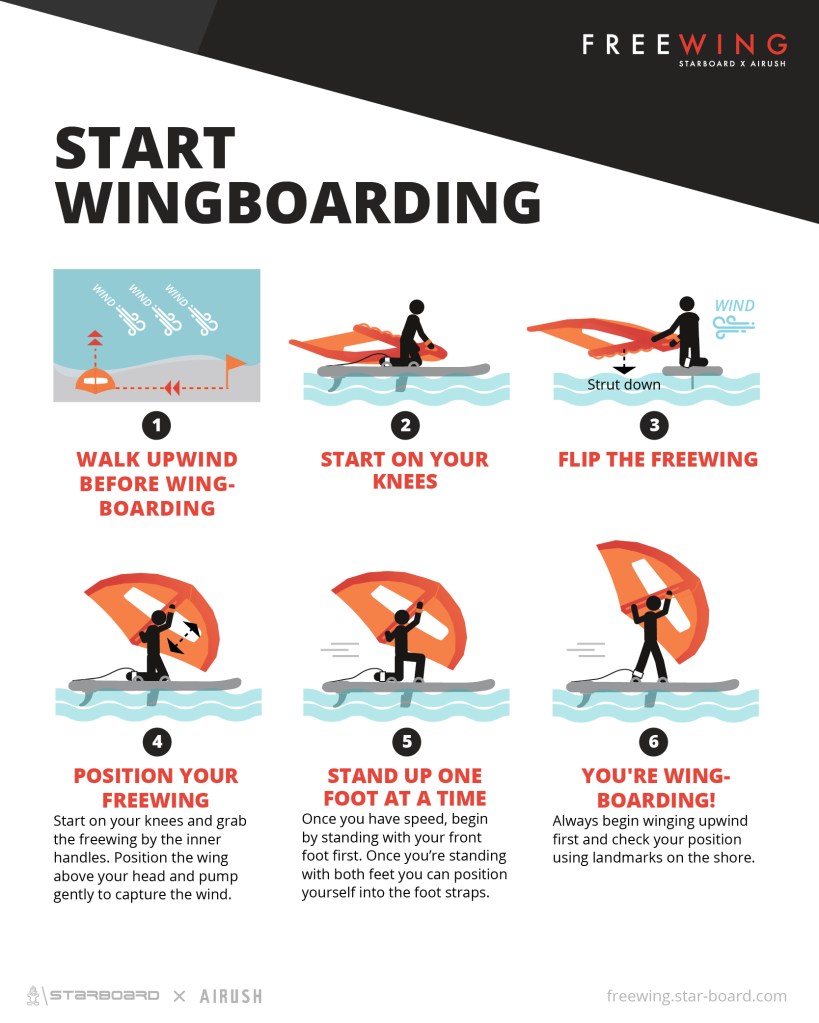
Practice: Wing flying exercises on Corralejo beach. Handle the wing in the water. Practicing waterstart in stand up paddle, longboard, or big wing board. Practice wing exercises first on the knees. Then practice them in a standing position while moving.
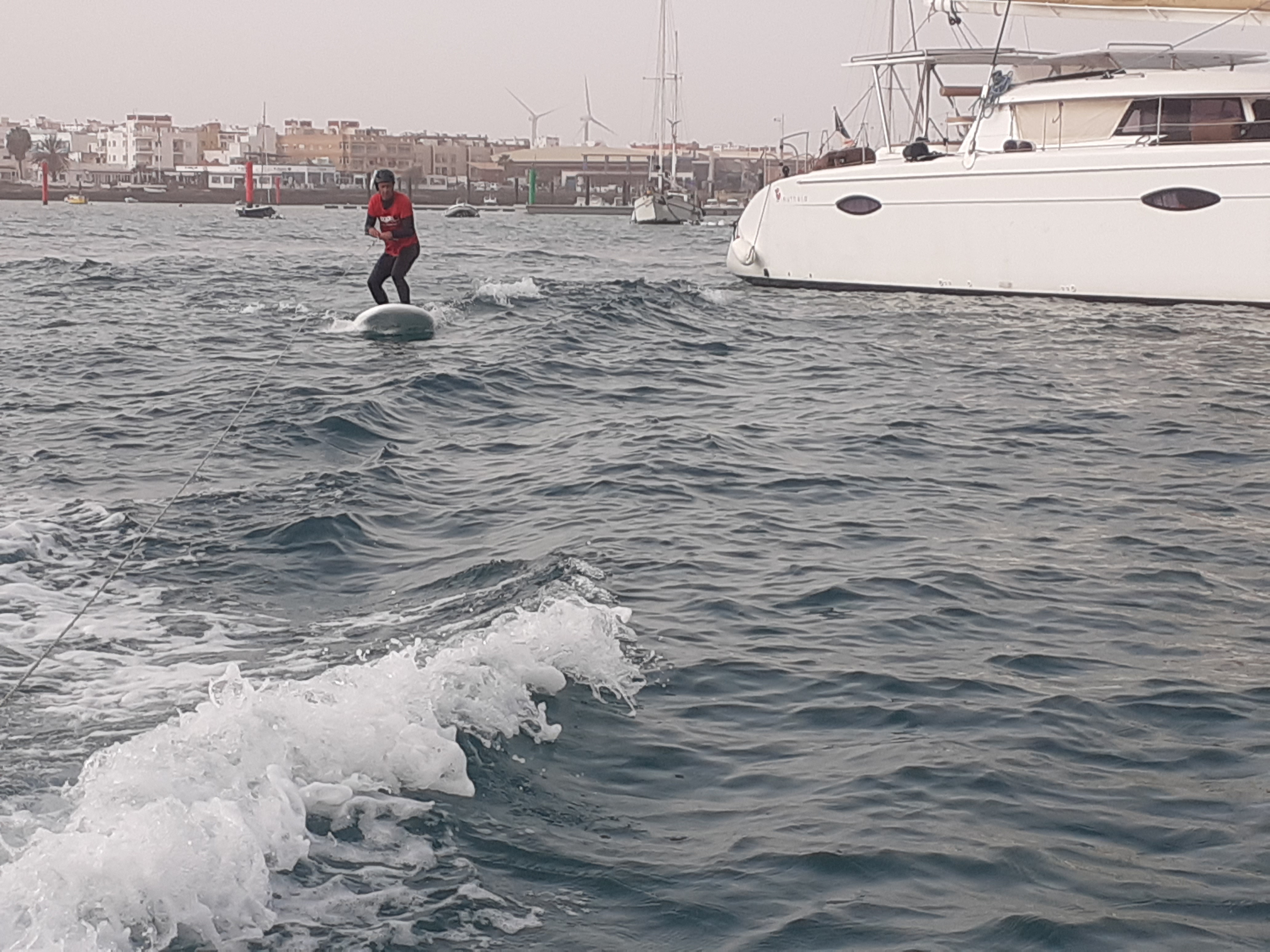
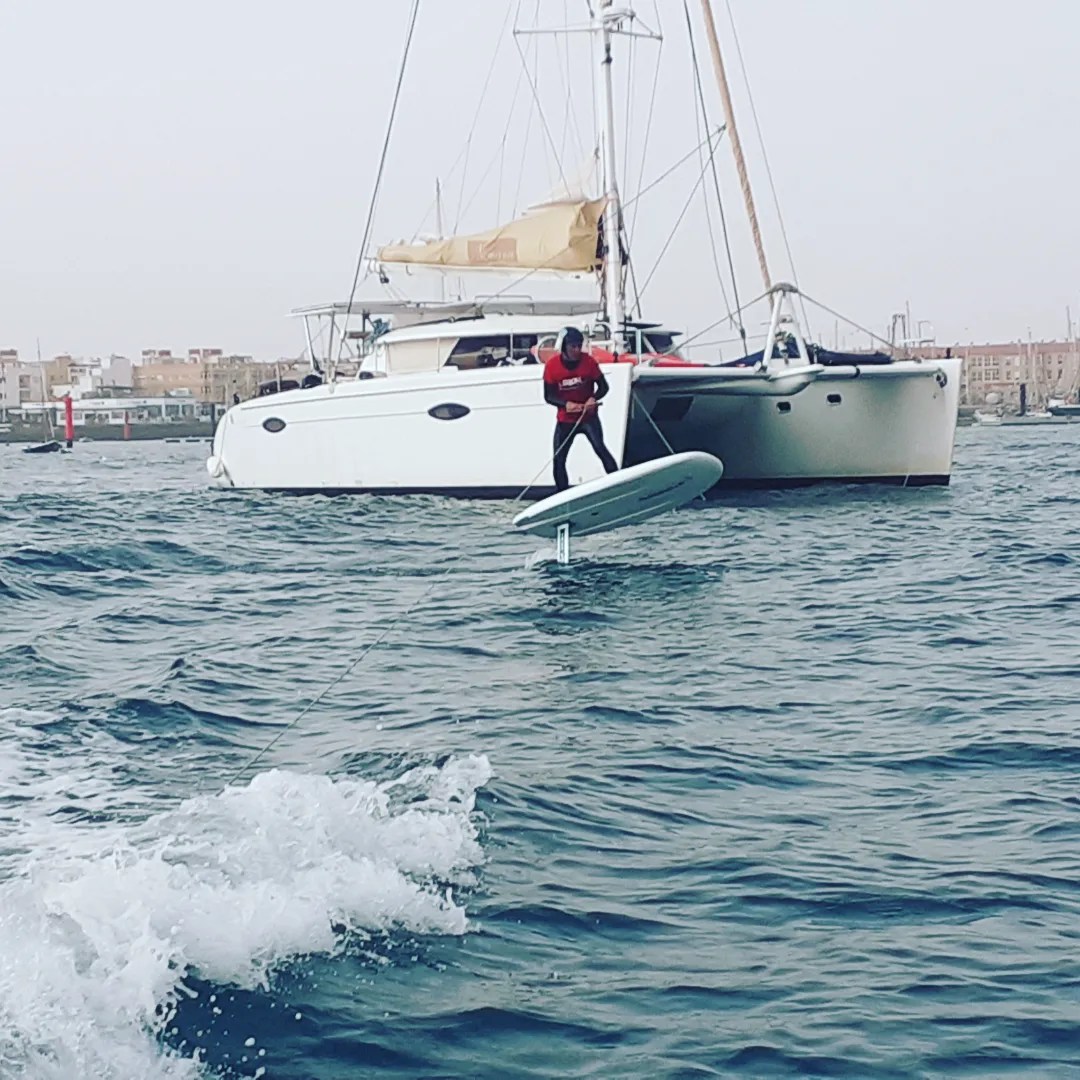
Foil session towed by the boat, operation of the foil, control of the position above the water.
Technique to take off with the wing, and glide Technique to ride upwind & downwind
Contact us Kiteschool-cbcm@live.com / 00 34 659 203 656
WINGFOIL feeling
In a few minutes, your Wing is ready to be used: Inflate and go. You are standing or kneeling on a large board. You hold the Wing in both hands. It is an inflatable wing that floats without pressure in the wind in front of you. You put the kite in the wind and generate lift and propulsion. You are already moving on the water. With the Foil Board, you start to glide very early. As soon as you reach a certain speed, your board comes off the surface of the water. Suddenly everything becomes very calm and light. You rise from the water. You seem to be floating with your board in the air.
Wingfoiling is safe, easy, and quick to learn. You don’t need a second person to help you get started. You don’t need a ‘launch pad’ (like kitesurfing), just access to water. The Foil is an absolutely simple way to get around the coasts and the lakes. You can usually use the Freewing kite without any problem on crowded beaches. It is also allowed in areas where kitesurfing is prohibited. You are self-sufficient. You don’t need a launch pad. You can easily launch into the water from small stretches of beach, jetties, or even a boat.
Even though it all sounds like a snap, you should definitely take a professional course first. In our “STARBORD Freewing” courses, you will learn the basics for a successful start in wingfoil. You will do this quickly, sustainably, and above all, in complete safety.
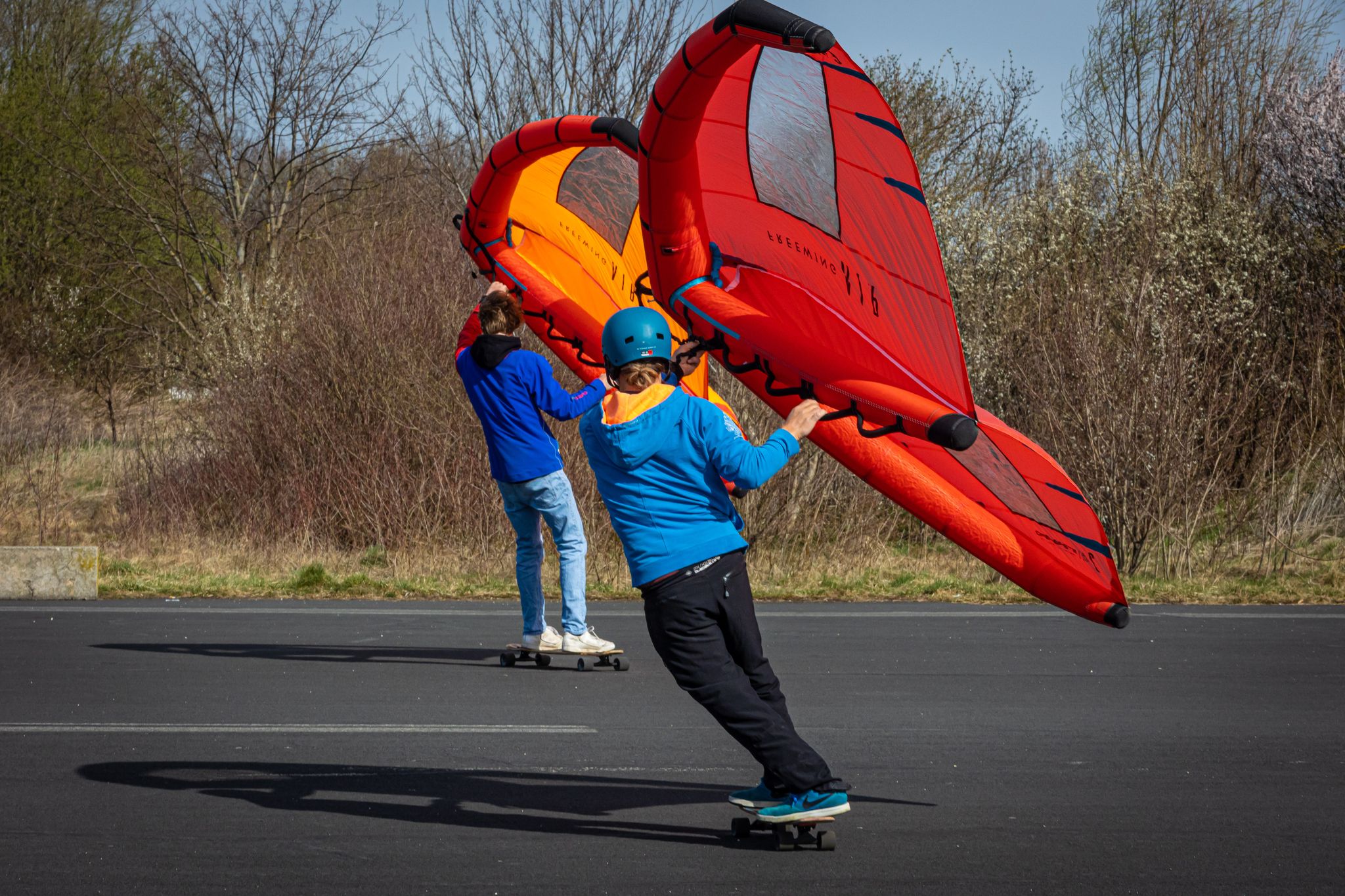
You can also use the Wing in many other sports. These include longboard surfing, skateboarding, rollerblading, ice skating, snowboarding, and stand-up paddling. The possibilities are almost endless and will give you a lot of fun.


SAFETY FIRST

SAFETY FIRST
Wing-Foiling is a safe sport. However, it should still be considered an extreme sport. It can become very dangerous if practiced without following a few rules. Here are our safety tips for Wing Foiling to fly safely:

- Choose an easy access point to enter the ocean or lake. Always avoid going into long breaks. Carrying equipment over very long breaks can be dangerous not only for your equipment, but also for yourself.
- Always control the transport of your board. Point the foil where the wind is coming from (upwind). Carry the kite with the other hand. Keep the kite in a neutral position where the wind is going (downwind). A set up foil is sharp. It can damage the wing. Do not hold the kite close to the foil.


- Check the depth of the water at your launch point. Exit until the foil is above the seabed. Watch out for rocks or reefs.
- Get away from rocks, cliffs and jetties. Always ride in areas where you can easily return to the beach. Stay away from areas where boating is not permitted.
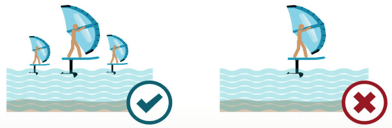
- It is strongly recommended that you do not sail alone. Tell someone ashore before you set off. Alternatively, sail with other riders who may call for help in an emergency.
- Never go out in off-shore conditions. Unless you have a support boat watching you all the time.

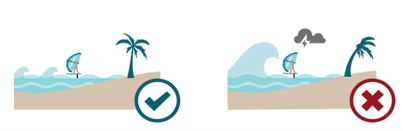
- Avoid riding in very extreme wind and wave conditions. Do not sail if the wind speed exceeds 40 knots. Also, avoid sailing if the waves are more than 1.50 meters.
- Respect the priority on the water. When two riders are coming from opposite directions, the rider on starboard tack * has priority. The rider on port tack * must yield. The rider on the starboard tack * must maintain the steering. The port tack * rider should move to leeward to avoid a collision.

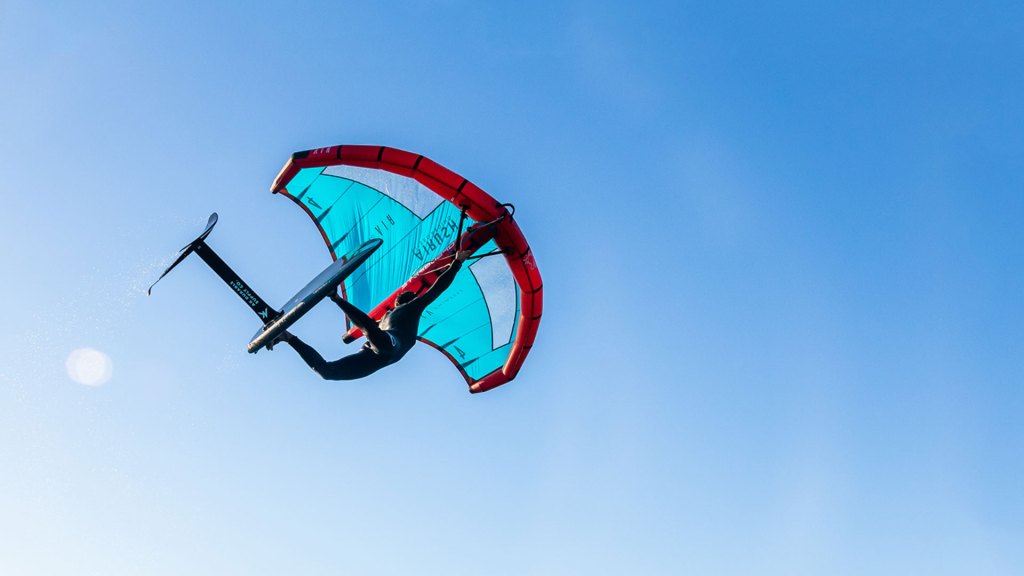
- Before any jump or change of direction, ensure there is enough room. Make sure you are not going to cross paths with anyone.
- Respect all people. Be responsible and stay clear of everyone on the ground during set-up. Keep a safe distance from people in the water during start-up. Return to shore while avoiding others.



 FUERTEVENTURA KITESURF SURF & SAILING SCHOOL